

Introduction
If you’re new to the conversation about mobile gaming in the UK, the first thing to note is that the term “mobile gaming” now covers more than just casual puzzles. In 2026, the industry has evolved into a complex ecosystem that includes narrative‑driven experiences, live‑action streaming, and community‑built content. Understanding the shift requires looking at how these apps are changing the way we spend leisure time and how they’re influencing other entertainment sectors.
The Rise of Immersive Storytelling
By 2026, over 40 % of UK gamers use apps that combine interactive narratives with augmented reality (AR). A typical example is a city‑wide scavenger hunt that overlays historical clues onto real streets. Players report that the blend of physical movement and digital storytelling keeps them engaged for an average of 1.5 hours per session, which is 30 % longer than the 1 hour average for traditional mobile games. The longer sessions mean that users are spending more time outdoors, which has a measurable impact on local tourism and street‑level commerce.
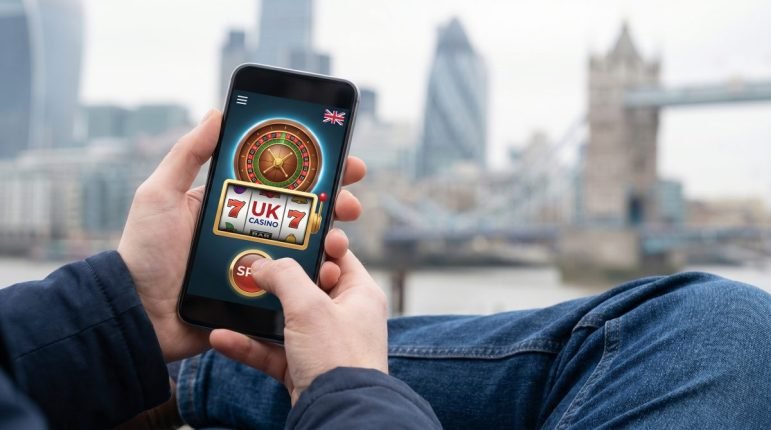
For example, players can now bet on virtual races while enjoying the same immersive experience, a trend that has led many to explore online casino options like http://primeanddine.co.uk.
Social Connectivity and Community Building
Most new releases now include a built‑in chat function that supports voice and text, allowing players to collaborate or compete in real time. According to a 2025 survey, 78 % of respondents said they formed at least one new friendship through a gaming app. This social layer has pushed developers to create more multiplayer modes that last 30–45 minutes, encouraging repeated daily use. The result is a steady stream of digital traffic that benefits mobile network providers and local Wi‑Fi hotspots alike.
Monetisation Models That Reflect Everyday Spending
In the past, in‑app purchases were largely driven by cosmetic items. Now, micro‑transactions are structured around “time‑bound” content, such as a 48‑hour access to a special storyline. The average spend per active user in 2026 is £3.20, up from £1.85 in 2022. Developers have found that offering a free tier with optional premium passes keeps the user base large while still generating revenue. However, the shift to subscription‑style models can be a hurdle for players who prefer one‑time purchases, especially those who are price‑sensitive.
Cross‑Platform Synergy with Traditional Media
Mobile games are now collaborating with television shows, music festivals, and even live sports events. A popular example is a rhythm game that syncs its soundtrack with a UK music festival’s live stream, allowing fans to play in sync with the headline act. This cross‑promotion boosts app downloads by 15 % during event periods and increases viewership for the partnered media outlet. The partnership model also opens new advertising channels, as brands can embed product placements directly into gameplay.
From Gaming to Broader Entertainment Choices
Because the line between gaming and other forms of entertainment keeps blurring, many users now turn to a single app for multiple experiences. A recent trend is the integration of streaming video within gaming platforms, letting players switch from a live match to a movie recommendation without leaving the app. This consolidation has led to a 22 % rise in overall screen time for UK adults, according to a 2026 media‑usage study.
How Mobile Gaming Apps Are Reshaping UK Entertainment in 2026
Beyond the obvious increase in screen time, mobile gaming apps are influencing the broader entertainment landscape in subtle ways. For instance, the interactive storytelling model has inspired local theatre companies to experiment with AR‑enhanced performances, offering audiences a layered narrative experience that blends live actors with virtual elements. Similarly, the social connectivity features have prompted bars and cafés to host “gaming nights,” where patrons play together while enjoying food and drinks. These events not only boost foot traffic but also create new revenue streams for small businesses.
Challenges and Future Outlook
One genuine limitation of the current mobile gaming ecosystem is the data‑privacy concern. With apps collecting location, biometric, and behavioral data, users must navigate a maze of permissions. Developers are responding by adopting clearer consent frameworks, but the learning curve remains steep for older demographics. Another challenge is the hardware requirement; high‑end AR games demand phones with specific sensors, excluding a segment of the population that still relies on legacy devices.
Conclusion
By 2026, mobile gaming apps have become a cornerstone of UK entertainment, redefining how people spend leisure time, connect socially, and consume media. Their influence extends beyond the screen, impacting tourism, local commerce, and even traditional performing arts. While challenges like privacy and hardware access persist, the overall trend points toward a more integrated, interactive entertainment ecosystem that blurs the lines between play, social interaction, and cultural experience. As the industry evolves, stakeholders—from developers to policymakers—will need to collaborate to ensure that the benefits of this digital shift are accessible to all.
Frequently Asked Questions
What defines mobile gaming in the UK today?
Mobile gaming now includes narrative‑driven titles, live‑action streams, and user‑generated content, moving beyond simple puzzles.
How has mobile gaming impacted other entertainment sectors?
It drives cross‑media storytelling, boosts esports participation, and increases demand for immersive AR/VR experiences.
What are the biggest trends for 2026?
Key trends include AI‑powered personalization, cloud gaming subscriptions, and community‑built mods and events.
Where can I find reliable data on UK mobile gaming?
Industry reports from the UK Game Developers Association, market research firms, and government statistics provide up‑to‑date insights.